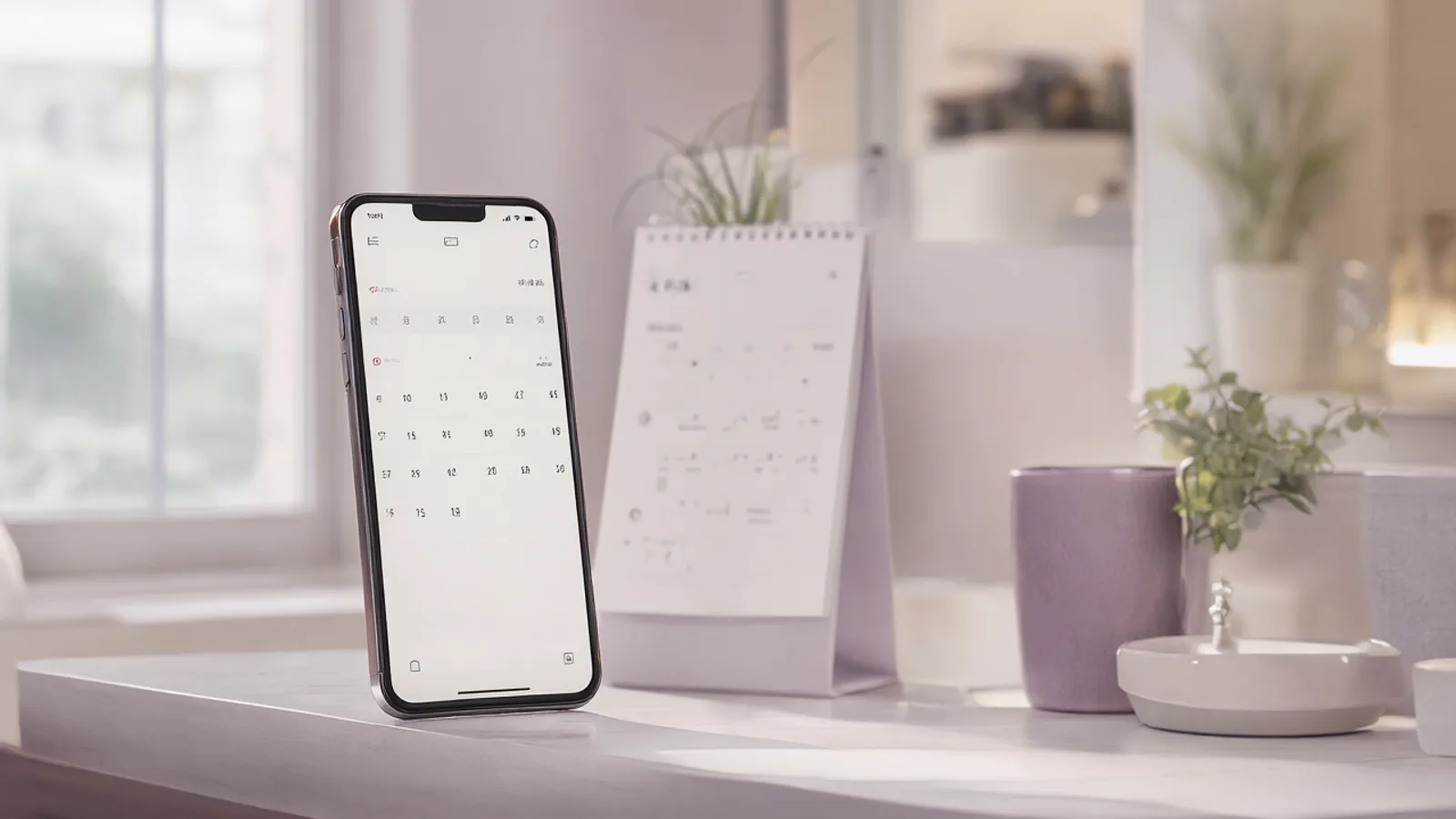
Booking at any hour, from a phone
Many clients think about their appointment when it suits them, which is often late in the evening, on a bus or during a break at work. If the only way to book is to call during opening hours, you are asking them to do something inconvenient in a world where most other things can be done in a minute.
That does not mean you must be available all night. It means the booking itself should not depend on you being available. An online page that works well on a phone lets the client choose a time at 23:40 and lets you wake up to a diary that is a little fuller.
Mobile is the main experience, not an extra. Open your own booking link on your phone, with a poor connection, and see how it feels. If you have to pinch and zoom, so will your clients.
Real availability, not a request
People have grown used to seeing what is actually free. A form that says “we will get back to you” feels slow, because it makes the client wait and wonder. Showing real open times gives an answer straight away.
That only works if the availability is true. Keep your diary honest: block your breaks, holidays and any time you cannot work. A booking page that offers a time you cannot honour is worse than none, because it creates a cancellation you caused.
Allow clients to choose a person when it matters to them. Many have a favourite specialist, and some are happy with anyone available. Offering both options respects different preferences.
Clear prices and honest durations
Clients want to know what something costs and how long it takes before they commit. Hidden prices make people suspicious, and vague durations make them plan badly. Write the price, or a clear “from” price with an explanation, and the time needed.
Use plain names. “Gel manicure, 60 minutes” says more than a creative name that only insiders understand. If there are extras, say so, so nobody is surprised at the till.
Honest durations also help you. When a treatment is listed as 45 minutes but really takes an hour, you run late all day, and clients feel the effect. Measure the real time, including a few minutes of preparation and clean-up.
A message, not a phone call
For many clients, particularly younger ones, a phone call is a last resort. They would rather send a message, get a reply when it suits them and keep the conversation in one place. In many countries, including Israel, WhatsApp is the natural channel.
That does not mean you must answer everything instantly. Set expectations: tell clients when you reply and what is better to do through the booking page. Keeping messages short and friendly goes a long way.
Use messages for the useful moments: a confirmation, a reminder, a note about where to park. Lumea’s Starter plan lets you send WhatsApp messages by hand, and the Pro plan adds automatic WhatsApp or SMS reminders. Either way, avoid sending anything that the client did not expect or ask for.
Easy changes, and fair policies
Plans change, and clients expect to be able to move an appointment without a difficult conversation. A client area where they can see their visits, or a quick reply to a reminder, makes rescheduling simple for both sides. Many problems that look like no-shows are really people who could not find an easy way to cancel.
At the same time, they expect fairness. A clear and reasonable cancellation policy, written where they can see it before booking, is accepted more easily than a surprise rule at the last minute. State how much notice you need and what happens if it is missed.
If you take deposits, explain why in a sentence and how they are used. Most people understand it when it is presented kindly and applied equally to everyone.
Privacy and respect for personal data
Clients give you their name, number and sometimes details about their health or appearance. They expect you to treat it with care. They do not want to be added to a group, receive promotions they did not ask for or have their number shared with others.
Practical steps are modest: ask before sending marketing, respect a request to stop, keep notes professional and limit who on your team can see what. If someone says stop, stop right away.
Be clear about photos too. Ask permission before posting a picture of a client or their work, and accept a no without making it awkward.
What a small business can do this month
You do not need to do everything. Choose two or three changes that fit your studio. Try booking yourself through your own page as if you were a client, then fix whatever annoyed you.
Review your service list for clear names, prices and durations. Write down your cancellation policy in a few plain sentences. Check that your opening hours, holidays and breaks are in the diary.
Finally, ask a few regular clients what would make booking easier. Their answers will be more useful than any article, including this one, and they will appreciate being asked.
Expectations will keep moving
What feels new today becomes ordinary quickly. Few people now notice a booking page that works well, but they all notice one that does not. Your goal is not to impress anyone with technology. It is to remove small frictions so that coming to you feels easy.
Keep the human part at the centre. Clients still choose a place because someone was kind, careful and good at their work. Smooth booking only gets them to the door, and the visit itself is what makes them return.
Revisit this list once or twice a year. Try booking with a few other businesses you use yourself, and notice what you appreciate or dislike. Your own experience as a customer is one of the best guides you have.
Questions people ask
Do all clients want to book online?
No. Some still prefer to call or send a message, so keep those options. The point is to offer an easy online route for those who want it.
Is it risky to show my real availability online?
It is only risky if the diary is not accurate. If you block breaks and holidays, showing real times saves you effort and avoids back-and-forth.
Should I reply to messages outside working hours?
You do not have to. Tell clients when you reply, and use the booking page for anything that can be done without you.
How strict should a cancellation policy be?
Strict enough to protect your time and flexible enough to be fair. State it clearly before booking, and apply it consistently.
General information for small businesses, not legal, tax or financial advice. Check the rules that apply to you with a professional.